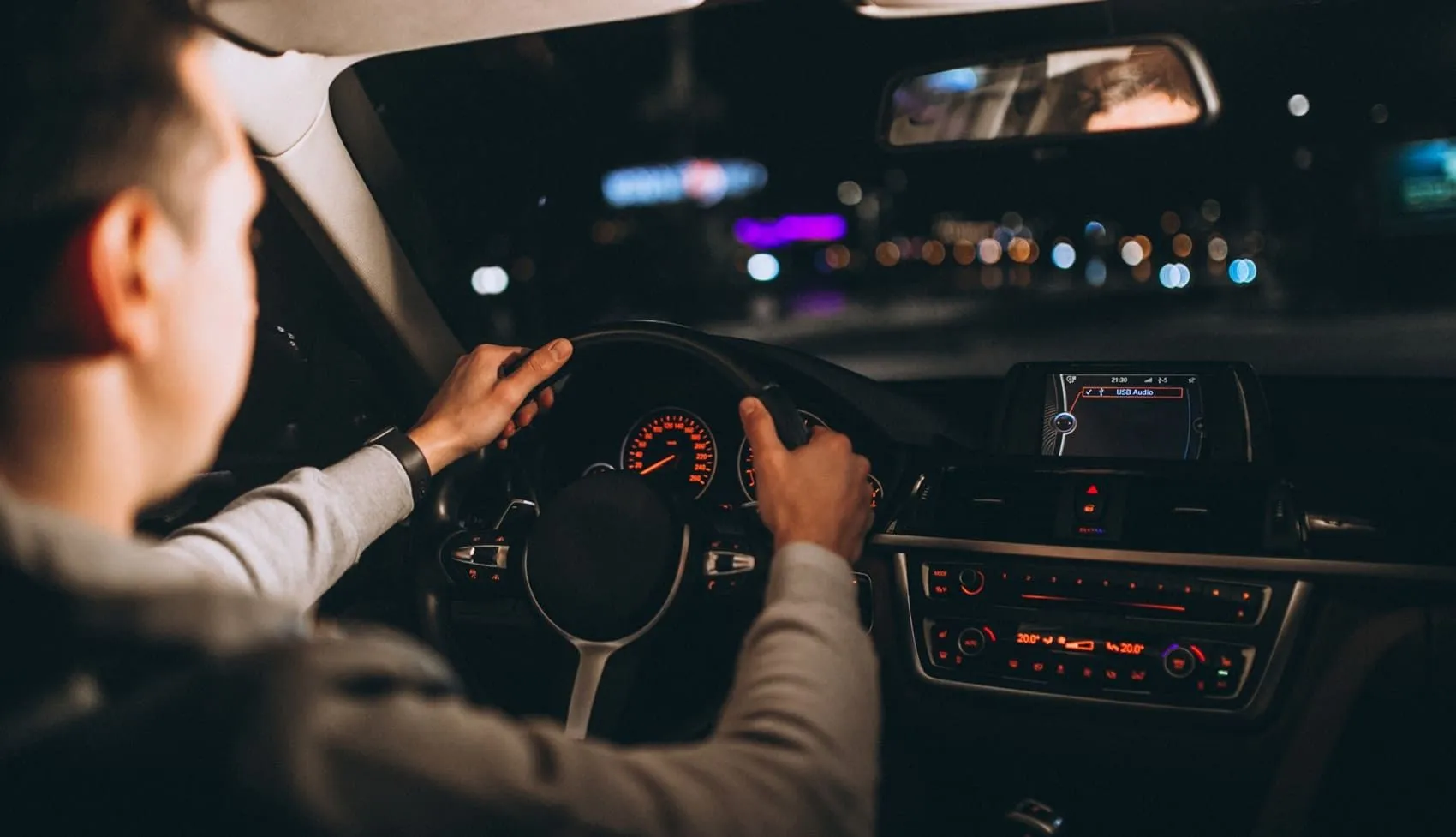
Modern vehicles depend on wireless communication and sensor technology for GPS navigation, Bluetooth hands-free calling, satellite radio, Wi-Fi hotspots, keyless entry, connected vehicle apps, and advanced driver assistance systems (ADAS). This makes vehicle owners in Buford, GA understandably curious about potential window tint interference. Older metallic films could sometimes affect radio-frequency signals, but modern non-metallic films are designed to provide heat rejection and UV protection without disrupting vehicle electronics. This guide explains how different film technologies can interact with vehicle signals and why professional installation matters.
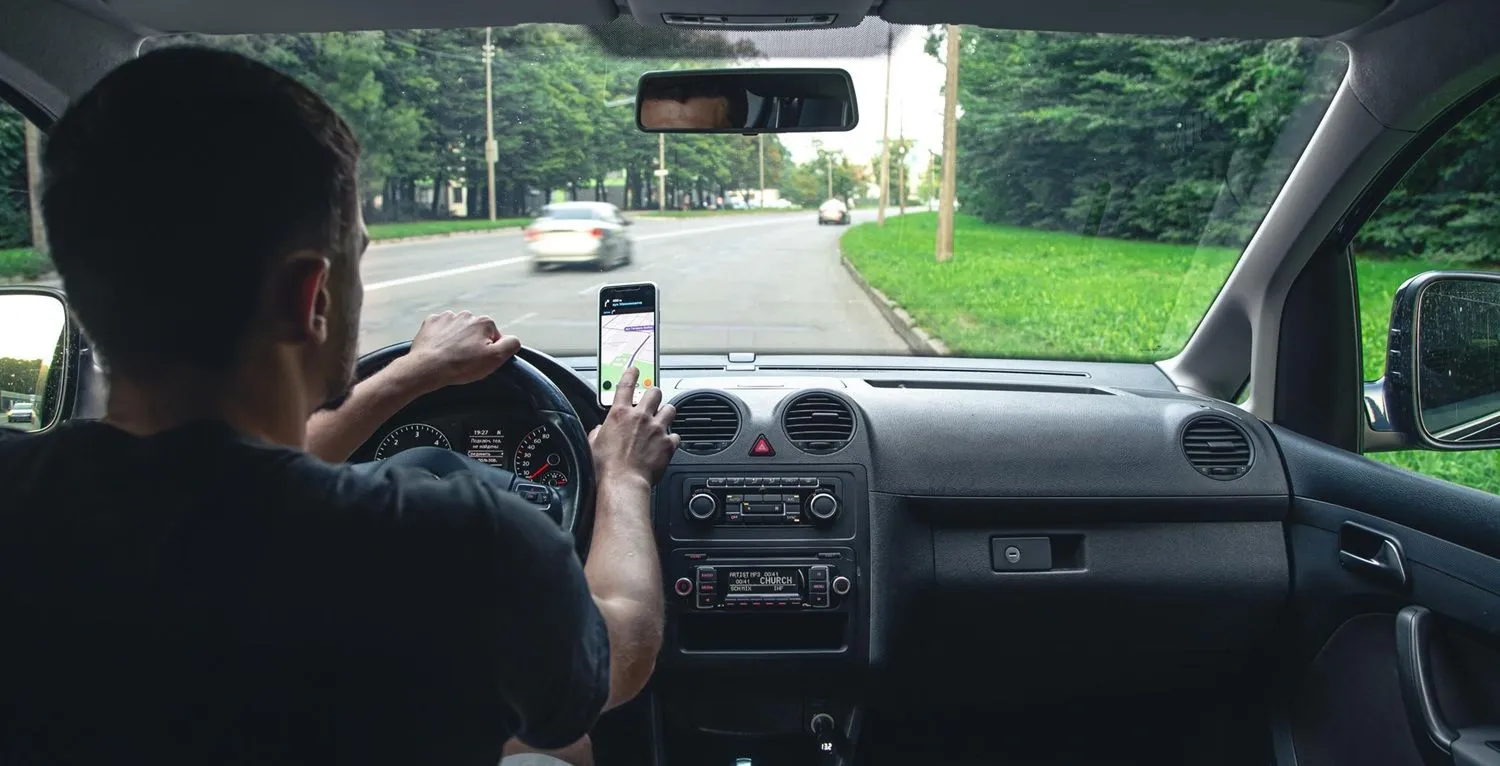
Table of Contents
- How GPS, Bluetooth, Satellite Radio, and Sensors Work
- Why Older Metallic Tint Caused Interference
- Dyed, Metallic, Ceramic, and Nano Ceramic
- How Ceramic Films Maintain Signal Clarity
- Windshield Tint, Antennas, and ADAS Compatibility
- Georgia Climate Benefits of High Performance Tint
- Why Professional Installation Matters in Buford
- Comparison Table: Tint Type vs Performance
- FAQ: Electronics, Legality, and Warranties
- Conclusion and CTA
1. How GPS, Bluetooth, Satellite Radio, and Sensors Work
To answer “does window tint affect GPS,” it helps to understand how your vehicle receives these signals. Most vehicle electronics do not rely on radio signals passing through the side windows.
GPS navigation: GPS receivers listen for satellite signals. Many vehicles receive GPS through a roof-mounted shark-fin antenna, roof module, or antenna integrated into the vehicle body. Some designs use an antenna inside the dashboard. Antenna placement and vehicle design can have a greater effect on reception than tint shade.
Bluetooth: Bluetooth operates at 2.4 GHz and connects your phone to the vehicle for calls, audio, wireless CarPlay, and Android Auto. Because Bluetooth is short-range and operates inside the cabin, properly selected non-metallic window film generally does not interfere with it. If connectivity problems occur after tinting, software, pairing, or device issues may also be responsible.
Satellite radio: Satellite radio typically uses an external antenna positioned on the roof or another part of the vehicle. Reception problems are more commonly related to antenna performance or obstructions than properly installed side-window film.
Keyless entry and push-button start: Key fobs communicate with the vehicle using radio-frequency signals. Vehicle antennas may be positioned throughout the cabin and body. Non-metallic window films generally do not interfere with these systems.
ADAS components and sensors: Parking sensors are commonly located in bumpers, while cameras may be positioned near the rearview mirror or elsewhere around the vehicle. Radar sensors are often located behind the grille or bumper. Side-window film does not normally affect these components. Windshield film requires more attention because of camera and sensor placement.
The takeaway for Buford, GA window tint customers is simple: properly selected window film can work with modern vehicle electronics, while the potential for interference depends on the film construction, antenna placement, and where the film is installed.
2. Why Older Metallic Tint Caused Interference
Concerns about tint and electronics are partly based on real experiences with older metallic window films. Metallic films contain metal layers or particles designed to reflect solar energy. Because metal can also affect radio-frequency transmission, certain metallic films may reduce signal strength in specific vehicle designs.
Metallic tint can potentially act as a partial barrier to some radio signals. Depending on the frequency, antenna location, and signal strength, this may contribute to:
- Weaker cell reception in fringe areas
- Satellite radio interruptions
- Inconsistent GPS reception in vehicles using interior antennas
- Issues with RFID-based toll tags when film is applied to certain windshield areas
Not every connectivity problem is related to window film, but metallic construction presents a greater potential for interference than non-metallic technologies. For vehicles equipped with extensive wireless connectivity, choosing a non-metallic film is a practical consideration.
3. Dyed, Metallic, Ceramic, and Nano Ceramic
The shade of window tint affects privacy, glare, and visible light transmission. Film construction influences heat rejection, UV protection, clarity, and electronics compatibility.
Dyed tint: Dyed film uses dye to darken the glass. It can improve appearance, privacy, and glare control, but generally provides less heat rejection than higher-performance window tint films. Because dyed film is non-metallic, it is generally compatible with vehicle electronics.
Metallic tint: Metallic films use metal components to reflect solar energy. They can provide heat-rejection benefits but have a greater potential to affect radio-frequency signals in certain applications.
Ceramic tint: Ceramic films use non-metallic ceramic particles to help reject infrared heat and block UV rays while maintaining optical clarity. They are designed to provide these benefits without relying on metal layers.
Nano ceramic tint: Nano ceramic films use advanced ceramic particle technology to provide heat rejection, UV protection, and optical clarity. Like other non-metallic ceramic films, they are designed to maintain compatibility with modern vehicle electronics.
Maximum Shade Tinting installs LLumar FormulaOne Auto Window Tinting products designed to provide heat rejection, UV protection, and clarity without the metal construction associated with potential signal interference.
4. How Ceramic Films Maintain Signal Clarity
Drivers often ask, “Does ceramic tint block signals?” Quality ceramic films are non-metallic and are designed to manage heat without using metal layers that can affect radio-frequency transmission.
Ceramic technology focuses on rejecting infrared energy and blocking UV rays while maintaining optical clarity. This allows drivers to improve cabin comfort without relying on metallic reflection.
For vehicles equipped with wireless CarPlay, Bluetooth devices, connected apps, and other electronic features, non-metallic ceramic film can be a practical choice. It can also provide clear visibility, which is especially important for safe driving.
For drivers researching vehicle sensor and window tint concerns, ceramic film offers a combination of heat rejection, UV protection, and electronics compatibility without the metal construction associated with older metallic films.
5. Windshield Tint, Antennas, and ADAS Compatibility
Windshield tint requires more planning than side-window tint because many modern vehicles position cameras and sensors near the top center of the windshield, often behind the rearview mirror. Some vehicles may also have antennas integrated into the windshield or rear glass.
Key considerations include:
- ADAS camera zones: Camera-based systems may require specific areas of clear glass. Professional installation should account for the location of cameras and sensors.
- Antenna placement: If antennas are integrated into the glass, non-metallic film is a practical choice when signal compatibility is a concern.
- Windshield legality: Georgia has specific requirements for windshield tint and visible light transmission. Film selection and placement should comply with applicable regulations.
- Optical clarity: Windshield applications require careful installation to maintain clear visibility.
Maximum Shade Tinting can evaluate your vehicle’s technology package and recommend an appropriate film application that considers visibility, comfort, and sensor locations.
6. Georgia Climate Benefits of High Performance Tint
Buford drivers experience significant sun and heat during Georgia’s warmer months. High-performance window tint can improve cabin comfort while helping protect the vehicle’s interior.
High-performance tint can help with:
- Heat reduction: Ceramic films can help reduce infrared heat entering through the glass.
- UV protection: UV-blocking film can help protect interior materials from sun exposure.
- Glare control: Window tint can reduce harsh brightness and make driving more comfortable.
- Interior protection: Limiting UV exposure can help reduce fading and deterioration of interior surfaces.
With LLumar FormulaOne window tint, drivers can select a shade that fits their visibility and privacy preferences while benefiting from heat and UV protection.
7. Why Professional Installation Matters in Buford
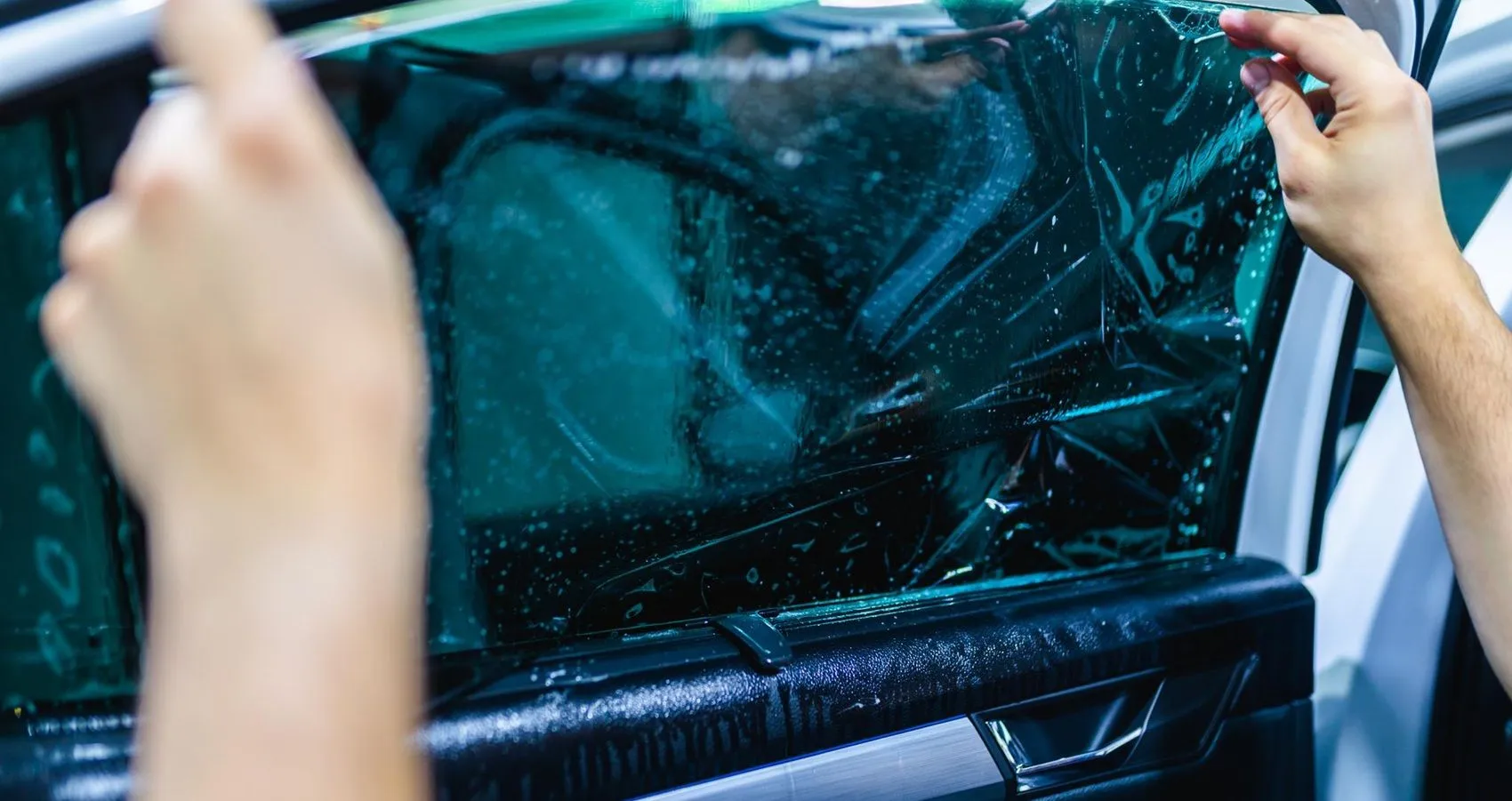
Professional installation plays an important role in film performance, appearance, and proper application. Even quality film can produce poor results if installation is rushed or performed incorrectly.
Professional installation supports electronics compatibility and compliance by:
- Selecting appropriate non-metallic film technology
- Confirming camera and sensor locations when windshield work is involved
- Applying film cleanly for clear visibility
- Helping customers choose shade levels that comply with Georgia requirements
- Providing warranty and aftercare information
Maximum Shade Tinting in Buford, GA specializes in professional installation of LLumar FormulaOne Auto Window Tinting products for modern vehicles.
8. Comparison Table: Tint Type vs Performance
The following table summarizes general differences between common film technologies. Specific film performance can vary by product and manufacturer.
| Film Type | Signal Compatibility | Heat Rejection | UV Protection | Clarity | Common Use |
|---|---|---|---|---|---|
| Dyed | High | Low to Medium | High | Varies | Privacy and glare control |
| Metallic | Variable | Medium to High | High | Can be reflective | Solar reflection |
| Ceramic | Very High | High | High | Excellent | Heat reduction and electronics compatibility |
| Nano Ceramic | Very High | High | High | Excellent | Heat rejection, clarity, and comfort |
9. FAQ: Electronics, Legality, and Warranties
Does window tint affect GPS navigation?
Most non-metallic films do not interfere with GPS. Metallic films have a greater potential to affect reception in certain vehicle designs.
Can window tint cause Bluetooth connectivity issues?
Bluetooth is short-range and typically works normally with non-metallic window film. Connectivity problems can also result from device pairing or software issues.
Does ceramic tint block signals?
Quality ceramic films are non-metallic and designed to maintain compatibility with vehicle electronics.
Will tint interfere with satellite radio?
Non-metallic tint generally does not interfere with satellite radio. Metallic films may create a greater risk in certain vehicle designs.
Does tint affect push-button start or keyless entry?
Non-metallic window film typically does not interfere with keyless entry or push-button start systems.
Can tint affect ADAS cameras or sensors?
Side-window tint generally does not affect ADAS components located elsewhere on the vehicle. Windshield applications require careful attention to camera and sensor locations.
Can windshield tint impact GPS accuracy?
Most vehicles use antennas positioned outside the passenger compartment, but designs vary. Non-metallic film can help minimize concerns about signal interference.
What are Georgia’s legal considerations for window tint?
Georgia has requirements governing visible light transmission and windshield applications. A professional tint shop can help you select an appropriate film and shade.
Will tint void my vehicle warranty?
Window tint does not generally void a vehicle warranty. However, modifications can become relevant to a warranty claim if they directly contribute to a problem.
How do I choose electronics-compatible tint?
Consider a non-metallic ceramic or nano ceramic film from an established manufacturer and have it professionally installed. Maximum Shade Tinting offers LLumar FormulaOne Auto Window Tint for drivers seeking heat rejection, UV protection, and optical clarity.
10. Conclusion and CTA
Concerns about window tint and vehicle electronics often come from older metallic film technologies. Today, non-metallic films provide options for drivers who want heat rejection, UV protection, glare reduction, and privacy while maintaining compatibility with modern vehicle electronics.
Maximum Shade Tinting in Buford, GA installs LLumar FormulaOne Auto Window Tinting products designed for comfort, clarity, and vehicle compatibility. Contact our team for guidance and a free estimate based on your vehicle and driving needs.