2026 Window Tinting Laws in Georgia: What Car Owners Must Know
Being informed about
window tinting laws is more critical than ever for Georgia drivers, especially in 2026. The right
window tint offers privacy, UV and heat protection, and comfort, but new state laws mean noncompliance can result in costly fines or failed inspections. Whether you’re driving through Buford or the heart of Atlanta, knowing the latest legal restrictions can protect you from unwanted penalties and ensure you still get the comfort and style that
window tint provides. As regulations grow more complex to address new technologies and safety concerns, choosing a compliant, professional-grade solution like
LLumar FormulaOne Window Tint matters to preserve your vehicle’s value, meet state requirements, and maximize driving comfort. In this comprehensive guide, we’ll demystify Georgia’s updated 2026
window tint lawsso every car owner in Buford and beyond can make safe, legal, and informed choices when upgrading their vehicle’s tint.
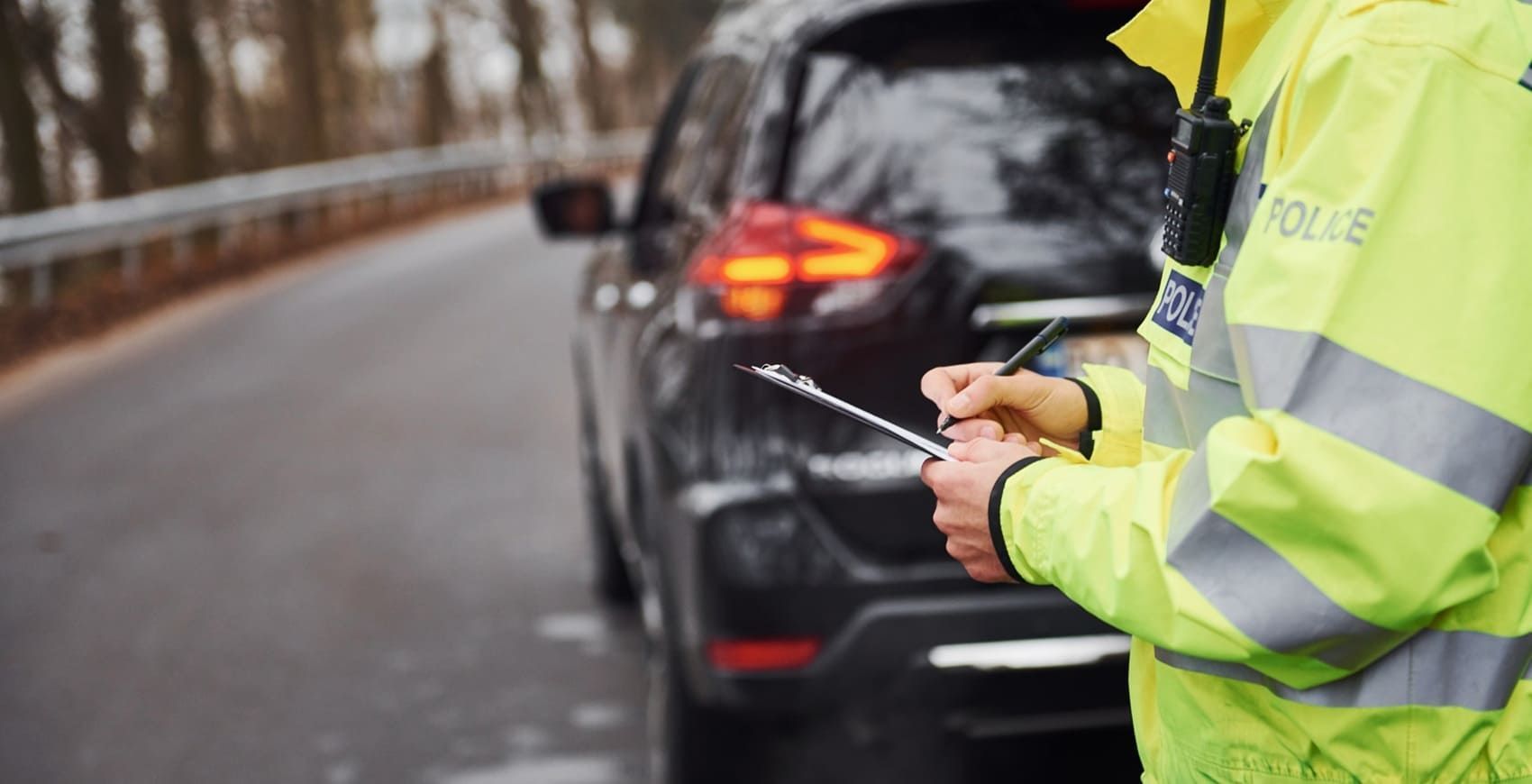
Table of Contents
- Overview of Georgia Window Tint Laws: What’s New in 2026
- Legal Visible Light Transmission (VLT) Requirements for Cars, Trucks, and SUVs
- Windshield Tint Rules: Tint Strips, Placement, and Standards
- Reflectivity Limits, Tint Color Restrictions, and Prohibited Films
- Enforcement Practices: Tint Meter Testing and Penalties
- Medical Exemptions in Georgia: Who Qualifies and How
- Choosing Legal Window Tint: Comfort, Heat Rejection, and Compliance
- Frequently Asked Questions
- Conclusion and Next Steps
1. Overview of Georgia Window Tint Laws: What’s New in 2026
Georgia’s window tint regulations have evolved for 2026, impacting both vehicle safety and driver comfort for residents in Buford and across the state. This section explores the current legal landscape, highlights updates to the law, and explains how these changes affect your ability to select and maintain compliant tint solutions. We’ll also cover previous years’ rules for comparison, so you can see where requirements have tightened or relaxed. Updates for 2026 align Georgia’s standards more closely with federal safety initiatives while allowing high-performance products like LLumar FormulaOne Window Tint that meet both legal and comfort needs.
2. Legal Visible Light Transmission (VLT) Requirements for Cars, Trucks, and SUVs
Visible Light Transmission (VLT) is the percentage of light allowed through your window film and glass. In Georgia, the law mandates different VLT minimums for cars, trucks, and SUVs—understanding these differences is key to compliance. For 2026, the requirements are:
| Vehicle Type | Front Side Windows | Rear Side Windows | Rear Window |
|---|---|---|---|
| Passenger Cars | 33%+ | 33%+ | 33%+ |
| SUVs & Vans | 33%+ | No restriction | No restriction |
| Trucks | 33%+ | No restriction | No restriction |
These percentages indicate that at least 33 percent of visible light must pass through the tint and glass combined for most vehicles. Choosing a window film such as LLumar FormulaOne can help you stay compliant while reaping all the benefits of modern tint technology.
3. Windshield Tint Rules: Tint Strips, Placement, and Standards
Georgia prohibits full windshield tinting, but certain non-reflective tints or tint strips are allowed. As of 2026:
- A non-reflective tint is permitted only above the manufacturer’s AS-1 line or within the top 6 inches of the windshield, whichever is longer.
- No opaque or mirrored films are permitted.
- Tint strip must not interfere with driver visibility or sensor electronics (ADAS systems).
Compliance with these rules preserves safety and helps avoid costly tickets during routine roadside checks.
4. Reflectivity Limits, Tint Color Restrictions, and Prohibited Films
Reflective
window tints are regulated due to their potential to create glare or compromise visibility. For 2026:
- Reflectivity must not exceed 20 percent on any window.
- Red, amber, and blue tints are prohibited on any vehicle window.
- Mirrored or metallic films are illegal.
- Only non-reflective, neutral, and factory-tone shades (like those from LLumar FormulaOne) are approved for use in Georgia.
Using prohibited colors or highly reflective films may result in immediate fines and a failed vehicle inspection, so always check product certification—premium brands like LLumar FormulaOne Window Tint are engineered to comply with these laws.
| Tint Feature | Allowed? |
|---|---|
| Reflectivity ≤ 20% | Yes |
| Red Tint | No |
| Amber Tint | No |
| Blue Tint | No |
| Mirrored Film | No |
| Non-Reflective/Neutral | Yes |
5. Enforcement Practices: Tint Meter Testing and Penalties
Law enforcement agencies in Buford and throughout Georgia use specialized meters to check the VLT of car windows during traffic stops and inspections. Here’s what to expect:
- During a stop, officers will use a calibrated meter to measure VLT directly on your installed tint and glass.
- If the VLT falls below the legal minimum, you may be cited and required to remove the non-compliant film.
- Fines typically start at $150 and can increase for repeat offenders.
- Vehicles with illegal tint may also fail the annual safety and emissions inspection required for registration renewal in Georgia.
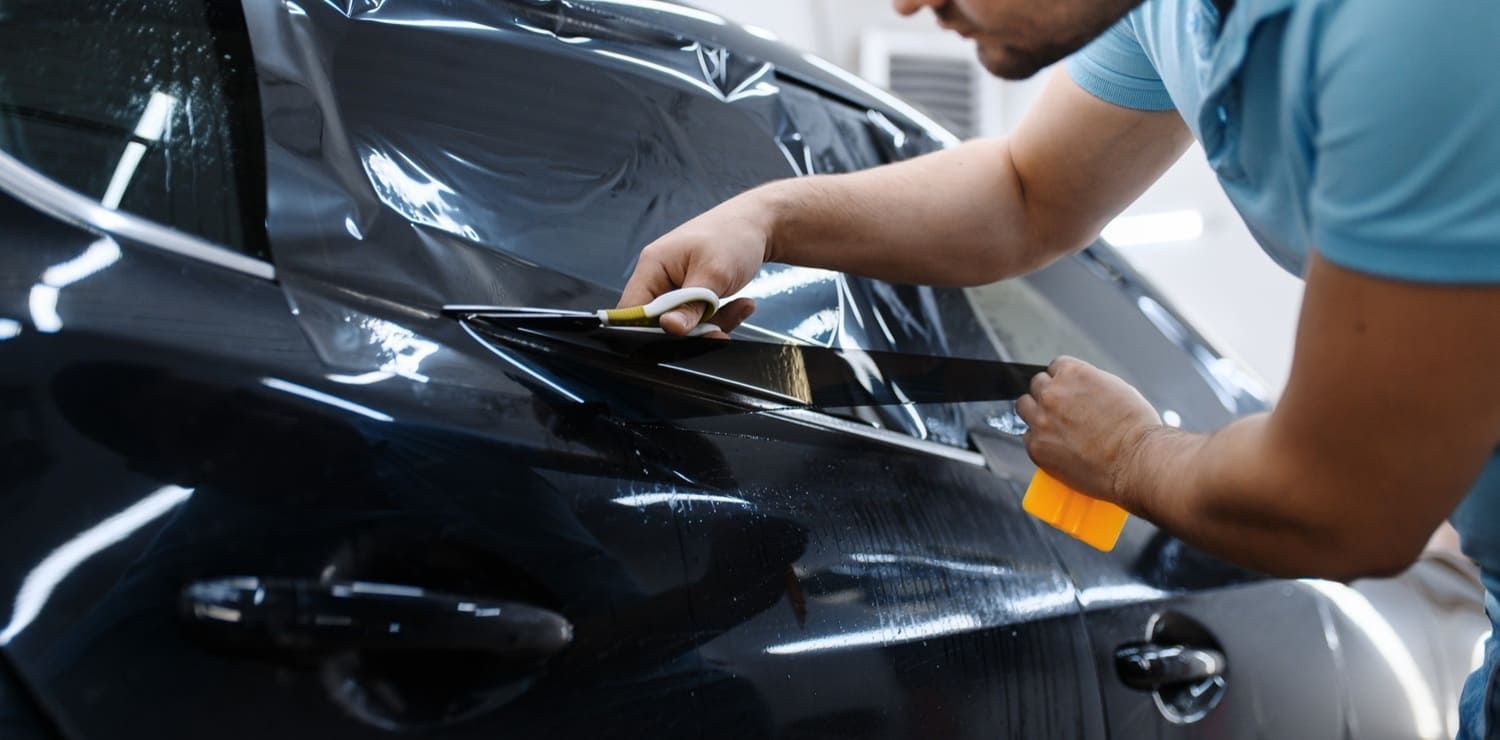
It’s always best to choose a
professional installer like
Maximum Shade Tinting in
Buford, GA who uses certified materials and ensures your tint passes legal checks. LLumar FormulaOne Window Tint comes with compliance documentation to provide peace of mind during enforcement stops.
6. Medical Exemptions in Georgia: Who Qualifies and How
Some drivers in Georgia may qualify for a
window tint exemption due to medical conditions. Updates for 2026 include:
- A physician’s signed affidavit is required, specifying the condition and its necessity for darker tint.
- Approved exemptions allow for lower VLT percentages on specified windows, but not on the windshield for safety reasons.
- Drivers must carry exemption documentation and display the official exemption sticker at all times.
- Typical qualifying conditions include lupus, photosensitive conditions, and various dermatological issues.
If you believe you qualify, consult with your healthcare provider and then bring documentation to Maximum Shade Tinting to ensure installation meets both your medical needs and legal standards.
7. Choosing Legal Window Tint: Comfort, Heat Rejection, and Compliance
Even with strict regulations, modern tint solutions make it possible to achieve legal compliance alongside superior heat and UV protection. Here are tips to select the best product:
- Work with reputable installers in Buford, GA with experience in state compliance.
- Choose industry-leading films like LLumar FormulaOne Window Tint, specifically formulated for legal car tint Buford GA.
- Evaluate film options for maximum IR and UV rejection within allowed VLT and reflectivity ranges—for example, LLumar’s advanced ceramic tints offer exceptional comfort without sacrificing compliance.
- Request certification for legal installation and keep your tint paperwork on hand for peace of mind.
| Type of LLumar FormulaOne Film | Heat Rejection (%) | Legal VLT Options | UV Protection |
|---|---|---|---|
| FormulaOne Pinnacle | Up to 98 | 33%+, 40%, 50% | 99%+ |
| FormulaOne Stratos | Up to 97 | 33%+, 40%, 50% | 99%+ |
| FormulaOne Classic | Up to 60 | 33%+, 40%, 50% | 99%+ |
Frequently Asked Questions
How is window tint measured in Georgia?
VLT is measured with a meter that evaluates the percentage of visible light passing through both film and glass.
If I tint my windows before 2026, do I need to update my film?
If your tint does not comply with the 2026 VLT and reflectivity regulations, you will need to remove or replace it to remain legal.
What is the main VLT rule for cars vs. SUVs?
Cars require 33 percent or greater VLT on all side and rear windows; SUVs and trucks must have 33 percent minimum on front windows only—the rest may be darker.
Are windshield tints allowed?
Only non-reflective tints above the AS-1 line or top 6 inches are permitted—full windshield tinting is not allowed.
Are there color restrictions for legal window tint in Buford, GA?
Yes, red, amber, and blue tints are illegal. Neutral colors like those in LLumar FormulaOne products are recommended.
Can older tint remain if it’s darker than 33 percent VLT?
No—all vehicles must meet the updated 2026 standards, regardless of when tint was applied.the
Can I add a reflective or mirrored finish for style?
No—mirrored and metallic tints are prohibited above 20 percent reflectivity.
How can I maximize heat rejection with legal tint?
Use certified tints like LLumar FormulaOne ceramic films, which deliver high IR rejection within Georgia’s VLT limits.
Do I need proof of legal installation?
Yes—professional installers will provide documentation. Keep it in your glove compartment for law enforcement review.
How do I get a medical exemption for darker window tint?
Consult your healthcare provider for a physician’s affidavit, then apply with the Georgia Department of Public Safety. Approved drivers must display exemption documentation at all times.
Conclusion and Next Steps
Georgia’s window tint laws for 2026 demand new levels of awareness and compliance from vehicle owners, especially in Buford and the greater metro Atlanta region. By understanding key requirements such as the 33 percent VLT rule, legal tint colors, and exclusion of mirrored films, you can enjoy the benefits of
premium window tint while remaining fully compliant. Select
LLumar FormulaOne Window Tint from
Maximum Shade Tinting for a legal, durable installation that combines superior heat rejection with peace of mind. Ready to upgrade?
Contact Maximum Shade Tinting in
Buford, GA today for expert advice, flawless installations, and a
free estimateon
window tinting that meets Georgia’s 2026 laws while keeping your car cool, stylish, and protected.