

Windshield chips and small cracks are a daily reality for Georgia drivers. Between highway commuting, construction zones, gravel trucks, and sudden temperature swings, it does not take much for a tiny rock impact to turn into visible damage. The next question is often urgent: will windshield repair pass inspection, or will you be forced into a full replacement? Inspection standards and safety rules can feel confusing because drivers hear different opinions from friends, shops, and online forums. Some people assume any chip fails. Others assume any repair is automatically fine. The truth is more practical. Inspectors focus on safety and visibility, and they evaluate the size, location, and type of damage, plus whether the repair restores strength and keeps the driver’s view clear. Understanding the difference between repairable chips and cracks that require replacement can help you avoid a failed inspection and avoid spending money you do not need to spend. In this guide, Maximum Shade Tinting explains how Georgia windshield inspection rules typically apply and how to choose the right next step in Buford and surrounding areas.
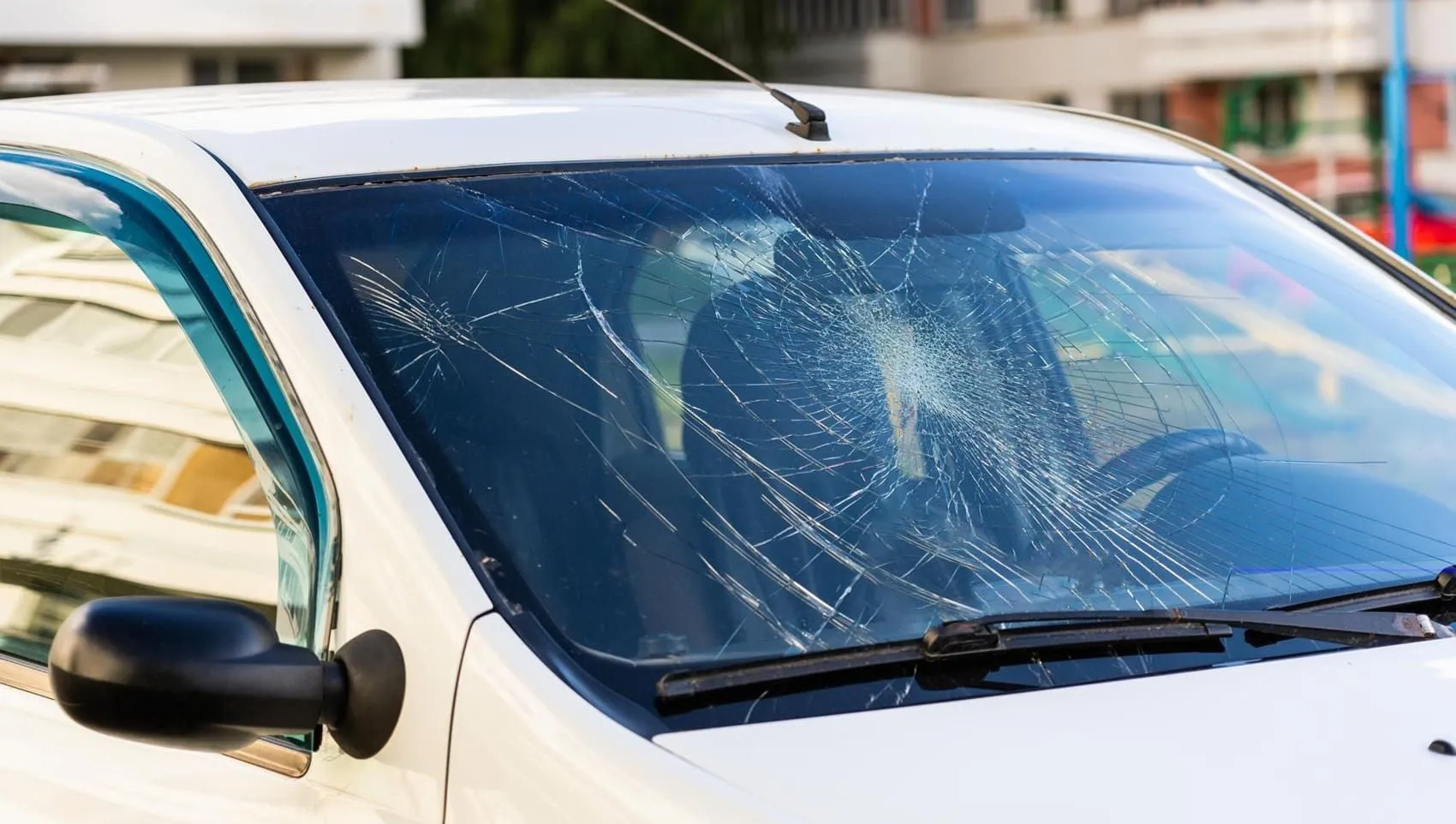
Table of Contents
- 1. How Georgia Inspections Address Windshield Damage
- 2. Repairable Chip vs Crack That Needs Replacement
- 3. Location Matters: Driver View and Wiper Sweep
- 4. Size Limits and Visibility Concerns Inspectors Check
- 5. Safety Implications of Unrepaired Windshield Damage
- 6. When Chip Repair Restores Structural Integrity
- 7. Why a Professional Assessment Improves Compliance
- 8. Pass vs Fail Scenarios and Quick Reference Tables
- 9. FAQ: Windshield Chip Repair Georgia Questions
- 10. Conclusion and CTA for Buford Drivers
1. How Georgia Inspections Address Windshield Damage
Georgia vehicle inspection requirements can vary depending on location and the type of inspection involved. However, when it comes to windshields, the underlying principle is consistent: the glass must be safe and must not create a visibility hazard. Windshield damage becomes an inspection concern when it affects structural safety, creates sharp edges, compromises the bonding of the glass, or obstructs the driver’s view.
If you are searching for Georgia windshield inspection rules, focus on these practical factors that inspectors and safety standards typically emphasize:
- Visibility: Does the damage obstruct the driver’s view or create glare and distortion?
- Location: Is the damage in the primary viewing area or in the wiper sweep?
- Severity: Is it a chip, a short crack, or a long crack that compromises the glass?
- Condition: Are there multiple damaged areas, spreading cracks, or compromised edges?
Because inspection outcomes can depend on the inspector’s safety judgment, the best strategy is to repair damage early, before it spreads. For drivers in Buford, GA, a quick professional evaluation can help you understand whether windshield chip repair Georgia services are likely to satisfy inspection expectations or if replacement is the safer route.
2. Repairable Chip vs Crack That Needs Replacement
Not all windshield damage is equal. The biggest misconception is that a chip and a crack are the same problem. They are not. A chip is usually localized impact damage. A crack is a line of broken glass that can propagate under stress.
Common repairable chip types include:
- Star break: A small impact point with short radiating lines.
- Bullseye: A circular break pattern, often repairable when small.
- Combination break: A mix of star and bullseye patterns, sometimes repairable if contained.
- Small surface chip: A minor impact without significant spreading.
Cracks that often require replacement include:
- Long cracks: Especially those that travel across the windshield or continue to grow.
- Edge cracks: Cracks that begin at or run into the edge can compromise the windshield bond.
- Multiple cracks: Several crack paths or multiple damaged areas increase risk.
- Damage in critical view area: Even repaired damage may not be acceptable if it creates distortion where you look most.
In general, windshield chip repair is most successful when damage is small, clean, and addressed quickly. Once dirt and moisture enter the break, repair quality can decline. If your chip has already turned into a crack, or if the crack is long, replacement may be necessary to satisfy safety and inspection standards.
3. Location Matters: Driver View and Wiper Sweep
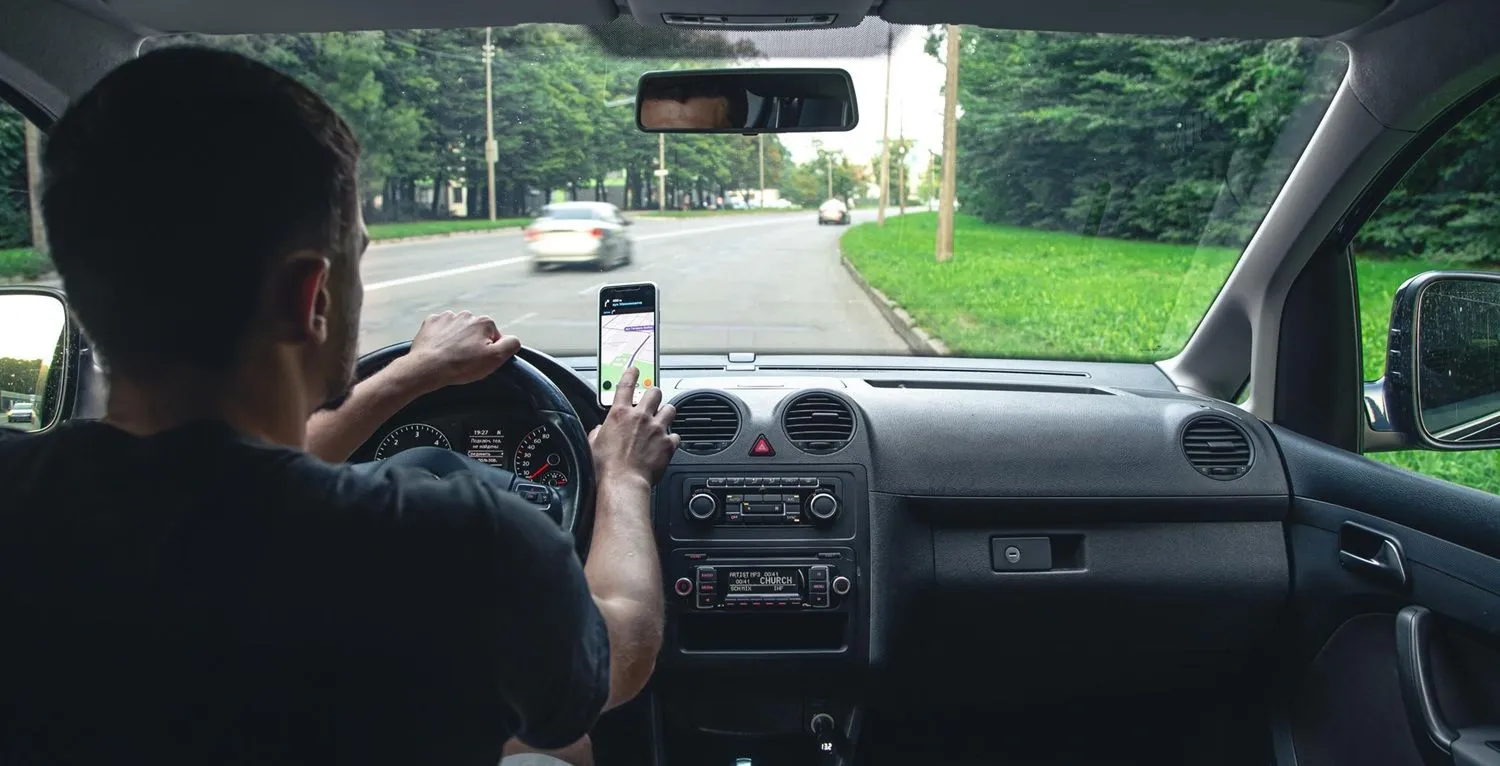
When drivers ask, will windshield repair pass inspection, location is usually the deciding factor. Even a small chip can be a problem if it is directly in the driver’s primary line of sight. Inspectors are concerned about anything that can distort the view, cause glare in sunlight or headlights, or distract the driver.
Think about location in three zones:
- Primary viewing area: The central portion of the windshield where the driver looks most often. Damage here is more likely to fail, especially if it causes distortion after repair.
- Wiper sweep: Damage inside the area cleared by wipers is more visible in rain and can create safety issues.
- Edges and corners: Damage near the edge can threaten structural integrity and may spread faster due to stress.
For Buford GA auto glass repair situations, the practical advice is to act early. A small chip near the edge can quickly grow into a crack, especially with heat, vibration, or temperature changes. A fast repair can prevent replacement and reduce the chance of an inspection problem.
4. Size Limits and Visibility Concerns Inspectors Check
Many drivers want a simple measurement that guarantees pass or fail. In reality, inspectors look at size and visibility together. A larger chip is more likely to cause distortion. A crack length matters, but so does whether it creates a line across the driver’s view.
Here are common real world inspection related concerns:
- Chips that are large or deep: They can create optical distortion and weaken the glass.
- Cracks that extend across the windshield: These are more likely to be viewed as unsafe.
- Damage that reflects light: Glare from sunlight or headlights can be a visibility hazard.
- Multiple damaged areas: Even small chips can add up to a safety concern.
A quality repair can reduce the visibility of a chip and restore strength, but repairs are not always invisible. That is why location matters. A repaired chip in a less critical area may pass easily. A repaired chip in the direct line of sight may still be flagged if it remains noticeable.
5. Safety Implications of Unrepaired Windshield Damage
Inspection requirements exist because windshields are safety components, not just glass. A windshield helps support the roof in a rollover, supports passenger side airbag deployment, and provides structural stiffness to the vehicle body. When the glass is compromised, overall safety can decline.
Unrepaired chips and cracks also create practical safety issues:
- Crack growth: Small damage can spread quickly, especially with heat and vibration.
- Visibility risk: Glare and distortion can reduce reaction time.
- Water intrusion: Moisture can worsen damage and reduce repair success.
From a Georgia safety perspective, repairing damage early is one of the simplest ways to reduce risk and improve your chances of passing inspection. If you wait, the damage may cross a threshold where replacement is the only safe option.
6. When Chip Repair Restores Structural Integrity
Professional windshield chip repair uses resin injection to fill the damaged area and bond the glass. A well performed repair can restore much of the original strength and prevent spreading. It also smooths the surface and reduces the risk of further chipping.
A repair is most effective when:
- The chip is small and has not spread into a long crack
- The damage is clean and has not been contaminated by dirt and water
- The repair is performed promptly
- The chip is not on the extreme edge of the glass
When these conditions are met, a repair can be a strong, inspection friendly solution. It also tends to be faster and more affordable than replacement. For drivers in Buford, this is why quick evaluation matters. A repair today can prevent a costly replacement later.
7. Why a Professional Assessment Improves Compliance
Windshield inspection decisions can depend on visibility and safety judgment. A professional assessment helps you understand whether your specific damage pattern is likely to pass and what the best remedy is.
At Maximum Shade Tinting, a professional assessment focuses on:
- Damage type and whether resin can fully fill the break
- Location relative to the driver’s view and wiper sweep
- Whether the damage is spreading or likely to spread
- Whether the glass shows multiple impact points
- Whether repair or replacement best meets Georgia safety expectations
Positioning Maximum Shade Tinting as a trusted local expert means helping drivers make practical, safety first decisions, not just selling a service. If you are worried about failing an inspection, the most cost effective move is to get a professional evaluation as soon as possible.
8. Pass vs Fail Scenarios and Quick Reference Tables
The examples below help clarify typical outcomes. Use them as guidance and remember that the final decision can depend on the inspector.
| Damage Scenario | Likely Outcome | Recommended Action |
|---|---|---|
| Small chip outside driver view | Often passes after repair | Repair promptly |
| Chip in driver primary view area | May fail if visible or distorted | Professional evaluation |
| Short crack not spreading | Depends on location | Evaluate for repair or replace |
| Long crack across windshield | Often fails | Replace windshield |
| Edge crack or multiple cracks | Often fails | Replace windshield |
Below is a simple reference for chip and crack types:
| Type | Typical Repair Potential | Inspection Risk |
|---|---|---|
| Bullseye chip | High when small | Low to medium |
| Star break | High when contained | Low to medium |
| Combination break | Medium, depends on spread | Medium |
| Edge crack | Low | High |
| Long crack | Low | High |
9. FAQ: Windshield Chip Repair Georgia Questions
-
Will a small chip fail inspection in Georgia?
Often no, especially if it is repaired and not in the driver’s primary viewing area. Location and visibility are key. -
How large can a crack be before replacement is required?
There is no single universal threshold used in every situation. Long cracks, edge cracks, and cracks in the driver’s view are more likely to require replacement for safety. -
Are windshield repairs visible after curing?
Repairs usually improve appearance, but they may not be completely invisible. Visibility matters most in the driver’s line of sight. -
Can a repaired chip spread later?
A quality repair reduces the chance of spreading, but new impacts or extreme stress can still create new damage. -
Does insurance cover windshield chip repair Georgia services?
Many policies cover chip repair, and some cover replacement with conditions. Check your coverage to confirm details. -
How quickly should I address a windshield chip?
As soon as possible. Dirt and moisture can reduce repair success, and chips can turn into cracks quickly. -
Can I repair a crack instead of replacing the windshield?
Some short cracks may be repairable depending on location and severity. Long cracks usually require replacement. -
Will a chip in the wiper sweep area pass inspection?
It depends on visibility and location. If it affects driver view or creates distortion, it may be flagged even after repair. -
What if the chip is near the edge?
Edge damage is higher risk because it can compromise structural integrity and spread faster. Professional evaluation is recommended. -
How do I know if I need repair or replacement?
A professional assessment is the best way to decide. Maximum Shade Tinting can evaluate your windshield and recommend the safest, inspection friendly option.
10. Conclusion and CTA for Buford Drivers
So, will windshield chip repair pass inspection in Georgia? In many cases, yes, when the damage is small, repaired promptly, and not located in a critical viewing area. Inspectors focus on visibility and safety, and they are more likely to flag long cracks, edge cracks, and damage that causes glare or distortion. The best way to avoid failed inspections and unnecessary costs is to address damage early and get a professional evaluation of repair versus replacement.
If you are in Buford, GA or the surrounding areas and need help understanding your options, contact Maximum Shade Tinting for an expert windshield evaluation and a free estimate. We can help you choose professional windshield repair or replacement solutions that meet Georgia safety standards and get you back on the road with confidence.